
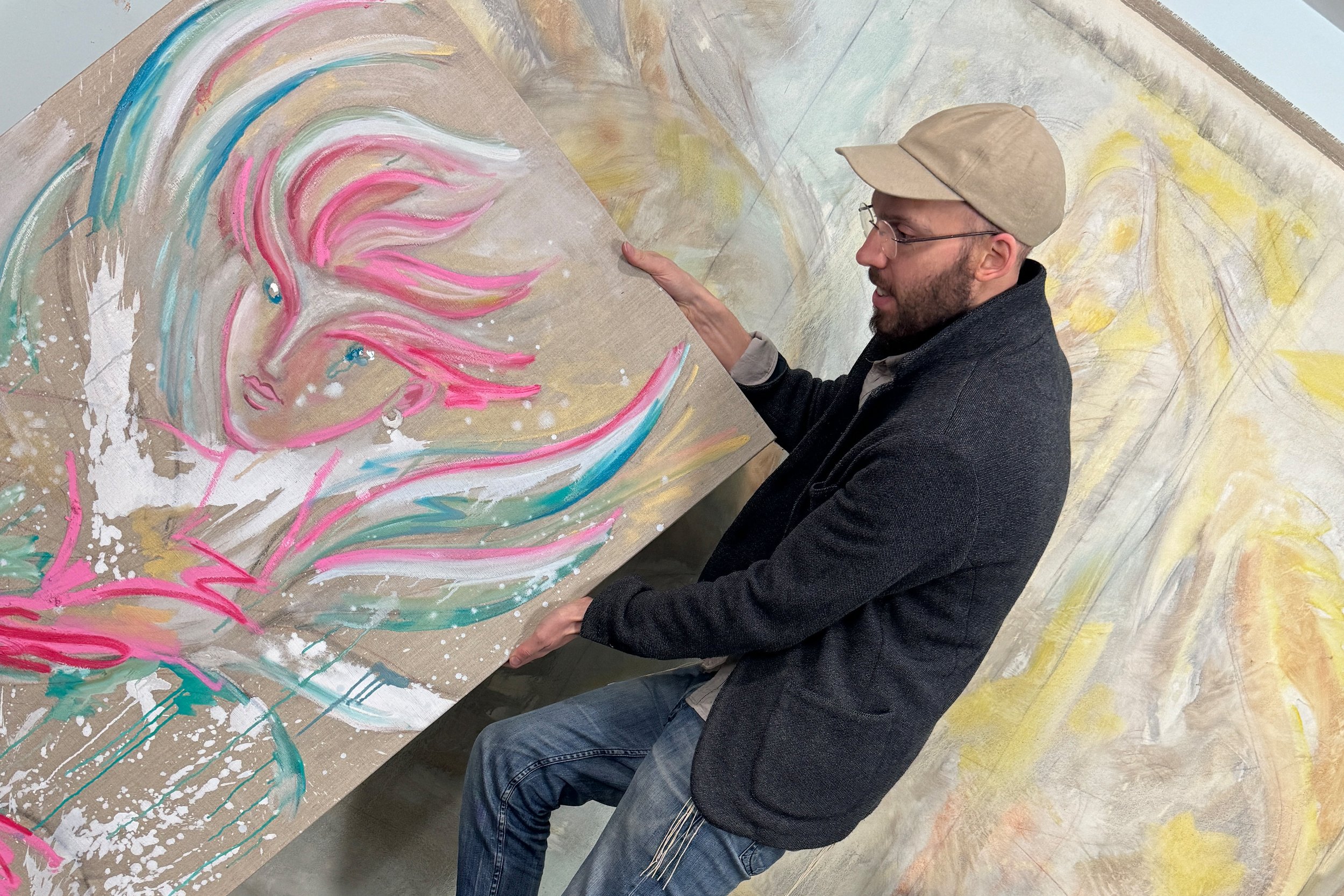
In the studio, Winter 2026. Holding the angelic, “White Light (Greeting)” painting.
I entered the art world and was struck by how (what people call) “the nude woman”—what I call Aphrodite—dominated the scene. I came to the conclusion that we did not successfully critique history or the obscene treatment of women and the feminine through representing more nude women. A critical consciousness was not achieved through circulating more imagery of the Western Nude–even through re-contextualization, visual irony, or subtle hints to darkness, ambiguity and hurt as a mechanism: Irony was not a suitable mechanism.
But, I felt there was something to this inquire that the art world was often dominated by, and so did my deeper psyche. For me, that led to a reversal from what I call Ishtar to Esther. This transformation and reversal—what Jung called an enantiodromia—was the discovery, for me, of the essence of my soul, which was Jewish, and the value of concealment and modesty.
This “discovery” accounts for the religious tone in my art. My prolonged insistence on incorporating and immersing myself in genuine Kabbalistic (really, Chabad) sources and influences reflects this.
Nonetheless, my work remains engaged with a larger art-historical significance. That said, I do have—though I hesitate with the word—an ideological position. There is an ideology: an ideology, or insistence on: meaning, moral responsibility, an emphasis on the mystical, truth, and the godly.
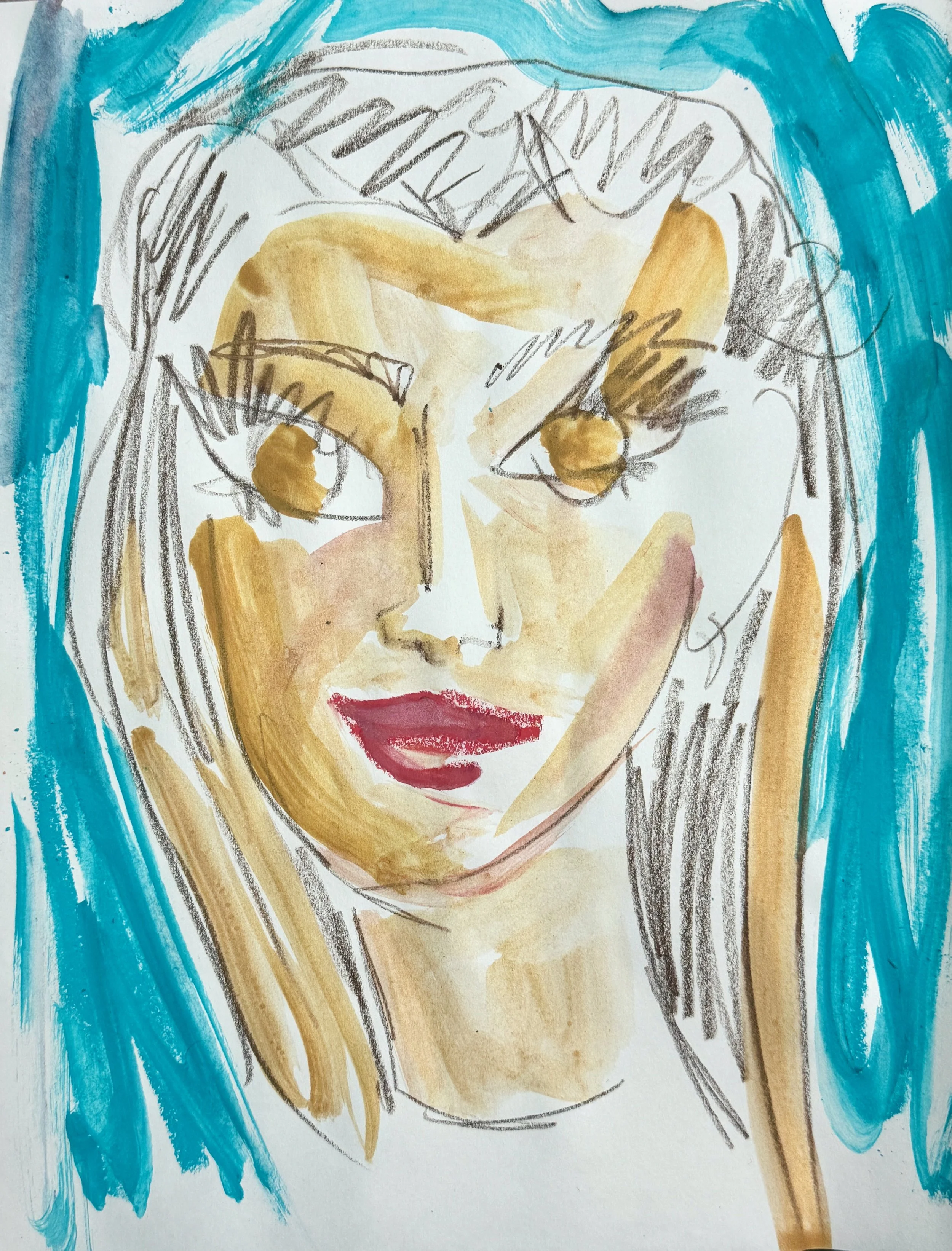
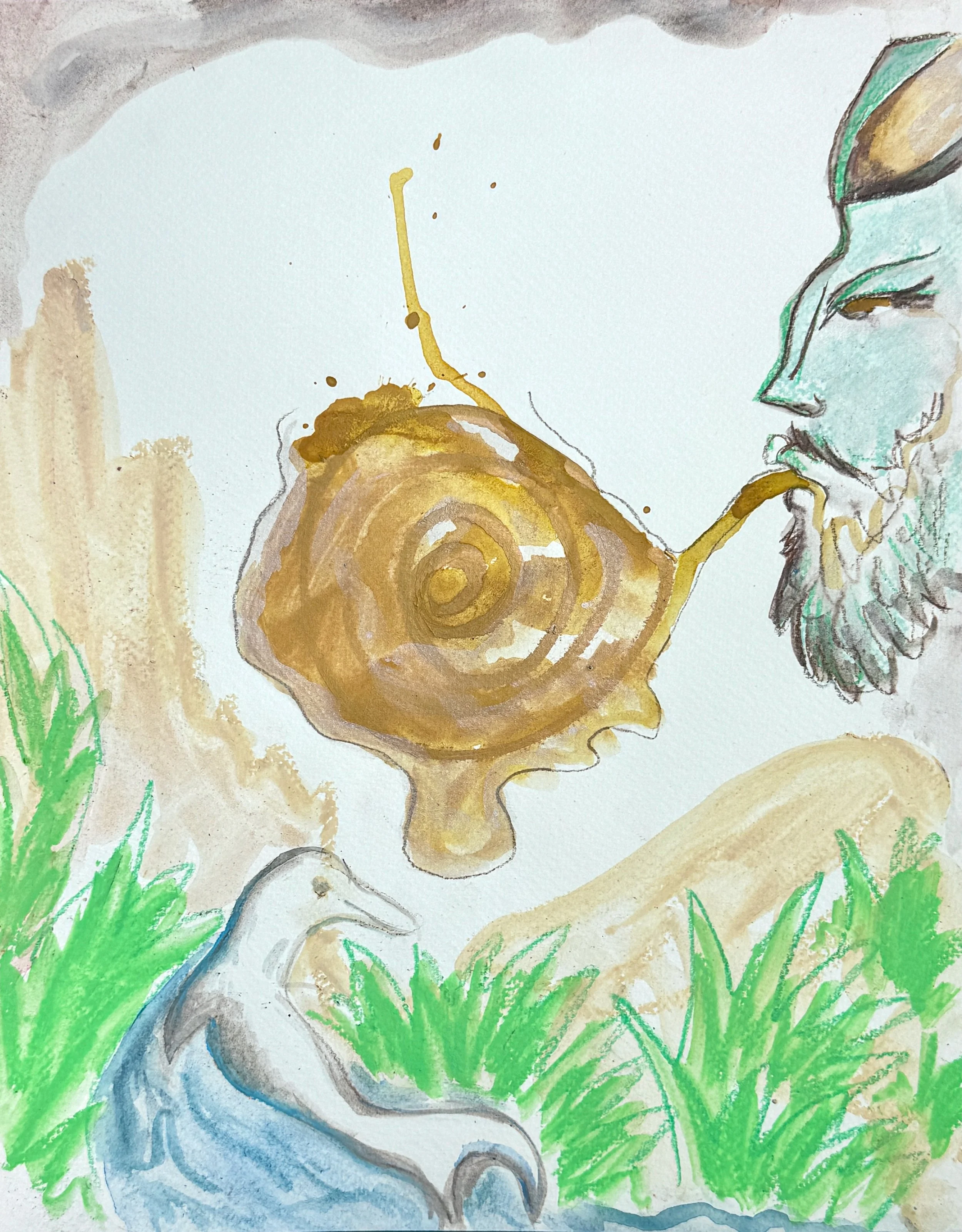
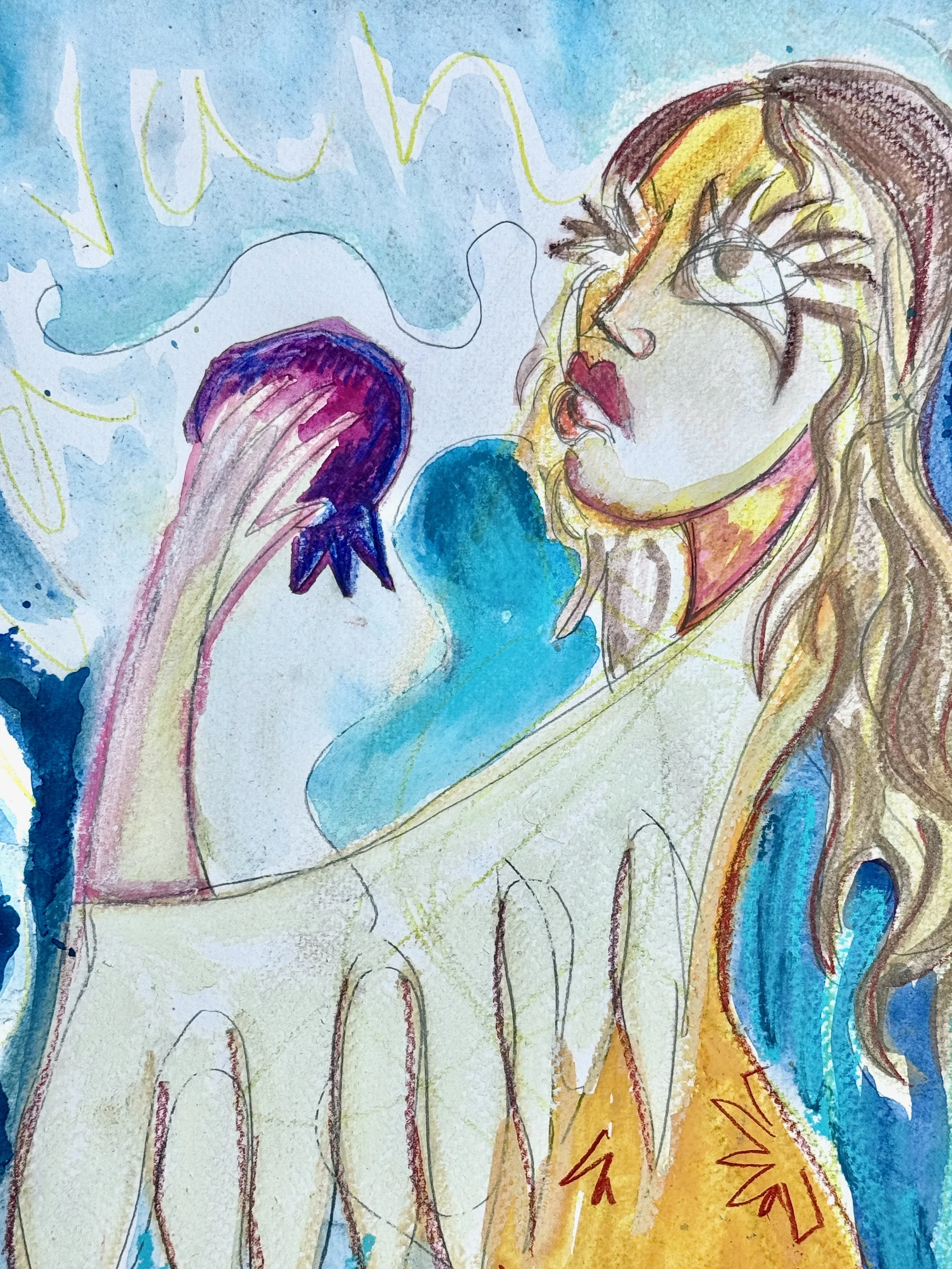
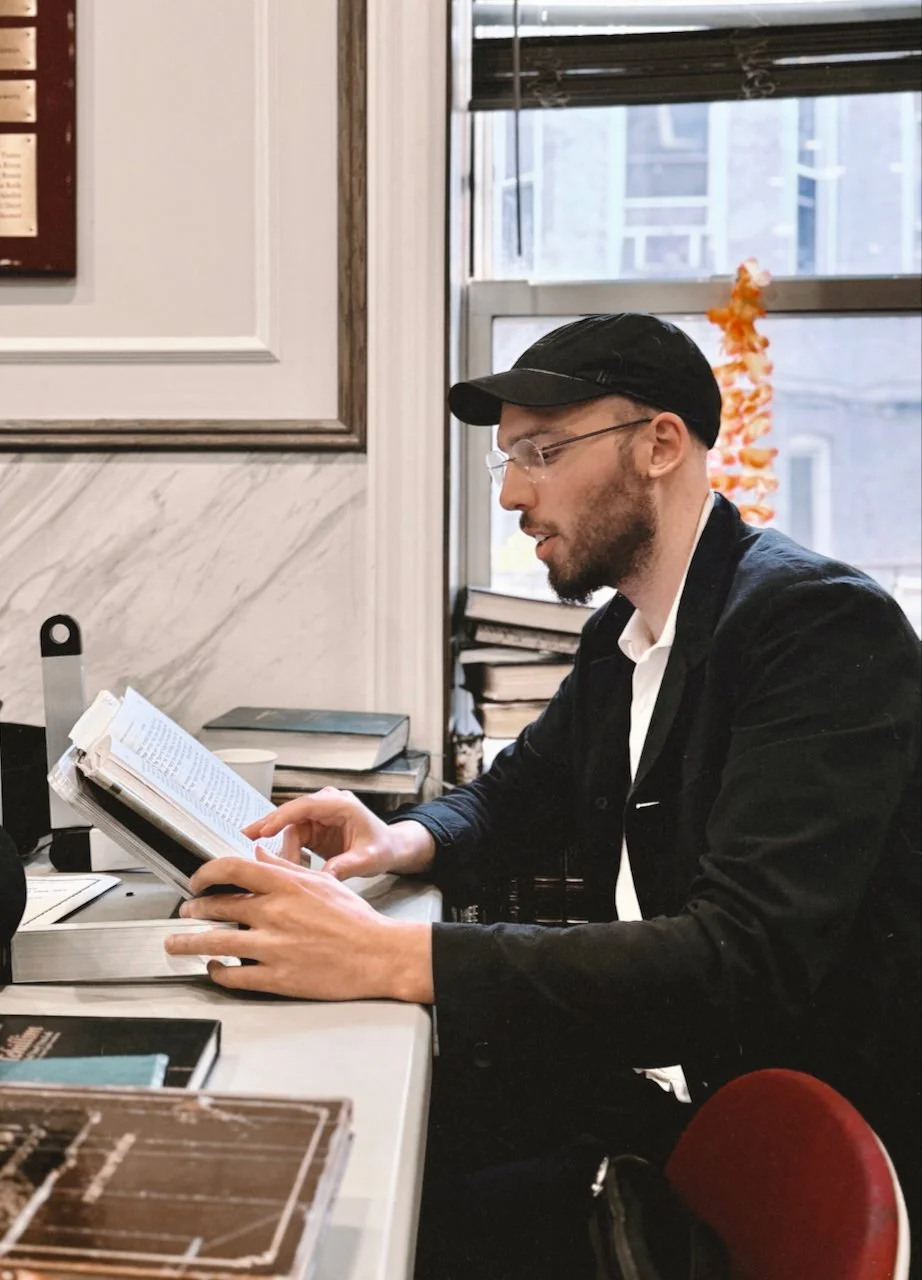
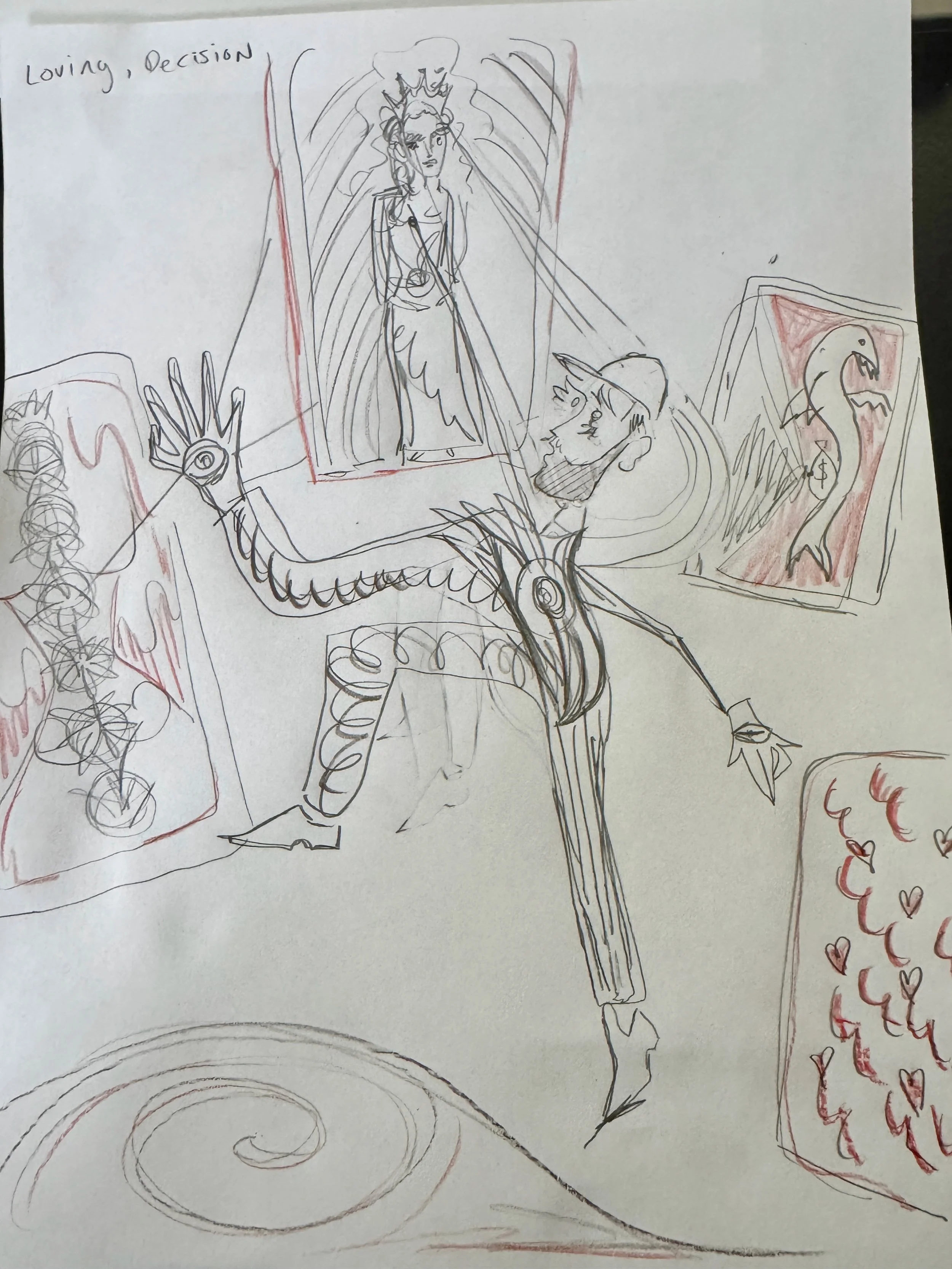
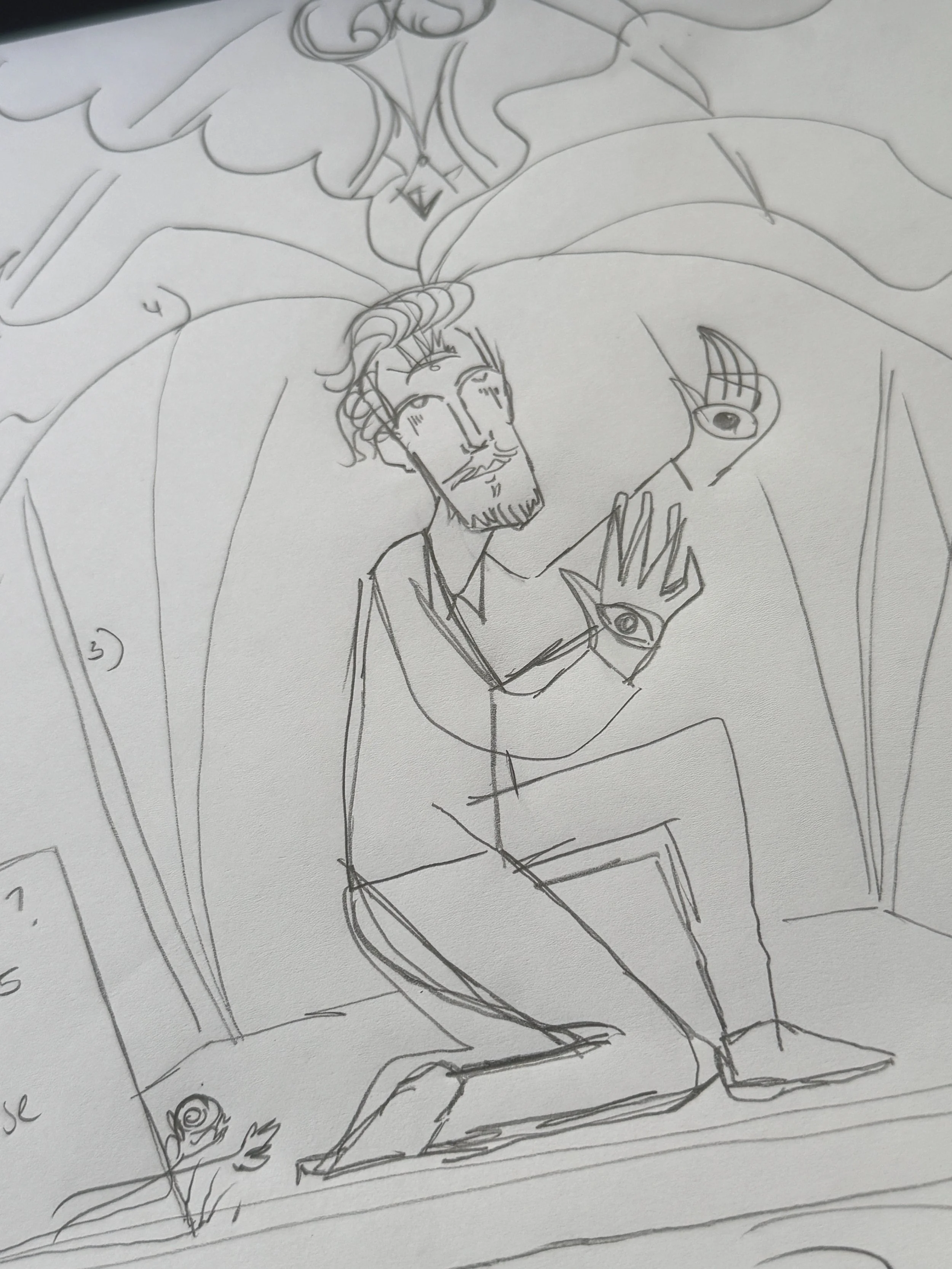
I see myself engaged in a kind of battle of light over evil—in a visionary, totally self-mythologizing way, but also in the sense that we all are, and that the world itself is. This is simply a reality. We know it in our hearts, and we recognize it when it appears in its most extreme forms.
This is why I feel strongly about marginalized women—women who are trafficked, women who are unseen in more subtle ways—and about the idea that the world should be a place where people feel seen.
I continue to work on paintings that portray this mystical identity and that portray women in uplifted states. These meditations on a regal woman relate to a recovery of my own inner feminine and to the idea that ritual meaning can support a vision of a world femininity.
This is what I call betterment: art functioning toward betterment. It is also what we call the Talisman. This is the idea that the paintings function as a vector toward this betterment.
Although oil painting on linen remains my primary focus, I also produce many watercolors. I am increasingly interested in assemblage and in using spray-painted frames and other materials in conjunction with these works.
In this sense, I see myself as conceptual and engaged with questions of ontology: consciousness, presence, the body, embodiment, relationship, community, and service. I also work through documentary video and through live presentation—what could be called the use of personality—both my own and in capturing others.
I engage in a multicultural conversation with other artists through interviews and connection, and I remain actively present in the New York City art scene. Notable recent encounters were with Julian Schnabel and Francesco Clemente, while my network of underground artists remains colorful.